There are many names for yoga but no matter the name, if you are practicing yoga postures, you are practicing Hatha yoga. Some Sanskrit translations say that the word Hatha can be broken into two parts. Ha meaning sun and Tha meaning moon and that the word yoga means union or “to yoke”. Therefore, Hatha yoga can represent the Union of Opposites.
So what yoga is right for you? If you think of yoga as being more about balance than flexibility then you can research the different approaches and decide where you need to start. If you are very flexible you can potentially become unstable, and to add balance you would work within a strength building yoga practice. If you are doing strength building in other ways or your work requires you to use your physical strength, then you would look for ways to stretch and lengthen your muscles. Looking at your stress levels would also help you determine what practice would be good for you. If you are looking to release tension, still your mind, incorporate meditation, relieve pain, get a good night’s sleep: there’s a practice that can help you with that, too.
We have studied and taught several forms of hatha yoga and I like to say “that I have never met a yoga that I didn’t like”. Every style has so many benefits and what you get out of it does depend on the level of fitness you are starting with and what you would like to receive from your practice. So, let’s take a look at the different styles and what they offer.
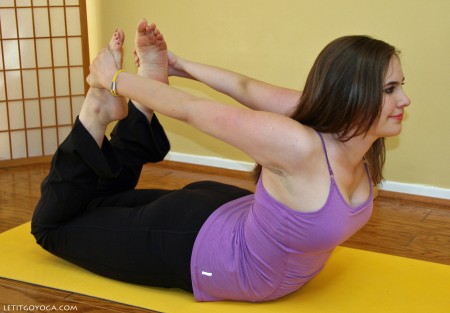
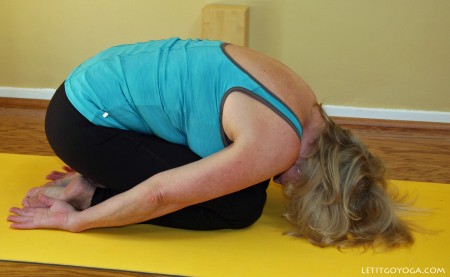
In a Basic Hatha yoga practice you will find a variety of poses (asanas) that can be practiced seated, standing, lying down and inverted. You move from posture to posture at a moderate pace and diaphragmatic breathing is incorporated within the poses.
Yin Yoga is hatha yoga practiced at a slower pace – holding the poses for a longer time, one to two minutes and more incorporating meditation and inner awareness.
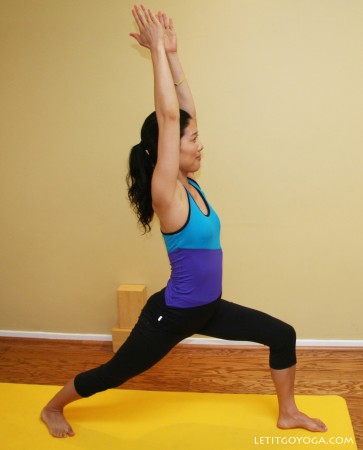
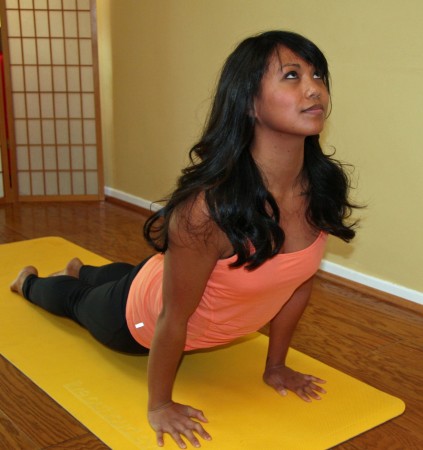
Vinyasa means flow in Sanskrit. A Vinyasa or Flow Yoga practice will have many of the same postures as a basic hatha yoga practice but will move quickly from one posture to another connected by the breath. It is a rigorous form that works the upper body and also develops core strength and balance. In most Flow classes the teacher will change the routine and add new poses as the class progresses. This style is also called Power Yoga and Core Power.
Ashtanga Yoga as taught by K. Pattabhi Jois is a Vinyasa or Flow style that is made up of 4 very vigorous series. You move quickly from one posture to the next connected by the breath. The series advance as the student develops the skill to proceed. The routines are very challenging and even after years of practice Jim and I were only able to practice series one and parts of series two! Ashtanga Yoga promotes upper body and core strength, flexibility and balance.
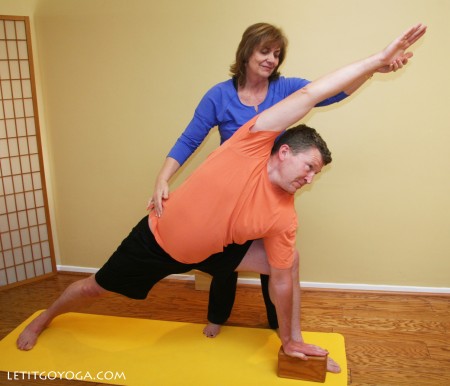
Iyengar Yoga is hatha yoga that is influenced by BKS Iyengar. This style is known for its emphasis on alignment. Mr Iyengar introduced props into the world of yoga. You can thank him for the yoga mat, yoga straps, blocks, blankets and bolsters. He also taught us how to use the wall and how to use chairs to help students in the postures. The props allow you to practice the poses correctly, minimizing the risk of injury or strain, and making the postures accessible.
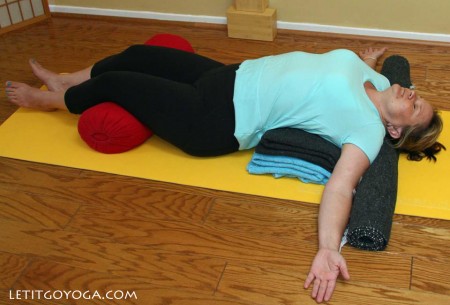
Restorative Yoga is in the Iyengar tradition, as props are used to allow you to stay in a pose comfortably for a long hold. Postures are held 15 minutes or longer, turning on the parasympathetic nervous system (rest and digest) to promote healing.
Bikram Yoga or Hot Yoga: in this series of 26 hatha yoga postures originally taught by Bikram Choudhury, the postures are practiced twice each in a room heated to 104 degrees. The postures tone and strengthen the entire body. We studied with Bikram in the late 80’s and found benefit in his series and the added advantage of increased flexibility when practicing in the heat. Bikram himself, has fled the United States after several misconduct lawsuits were filed against him but the yoga practice continues to be popular.
Kundilini Yoga is a system of hatha yoga postures that focus on breath work, meditation and chanting. There are specific poses that generate energy and work on strengthening your nervous system, balancing your glandular system, purifying the body and calming the mind.
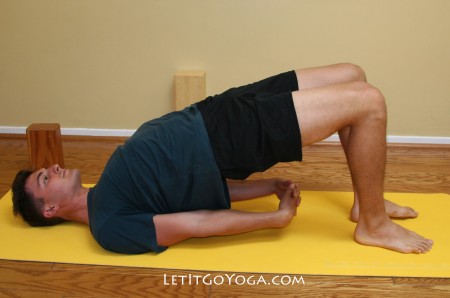
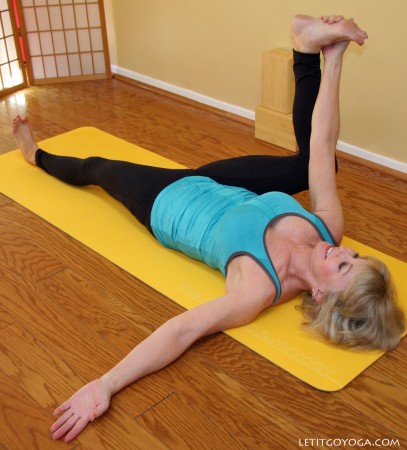
Even our beloved Let It Go Yoga is a style of hatha yoga. The difference here is that entire Let It Go Yoga series is practiced lying down. This may sound easy but in fact it is a challenging practice that works the entire body. We love this practice as it allows you to close your eyes, go inward and incorporate meditation and deep breathing. For us it also has been the most sustainable yoga practice over the years. Let It Go Yoga can be modified to the individual, allowing you to receive the benefits of yoga through the many phases and changes in life. It is the perfect place for the beginning student as it gives you time in the poses to perfect the breathing techniques as well as teaching meditation so that you can learn ways to release stored tension. This knowledge is very helpful when practicing the other styles.
Remember, yoga is the union of opposites. Depending on your needs, look for a yoga practice that gives you balance. Find your opposite. If you need need some fire to get you going, then Ashtanga and Flow Yoga maybe right for you. If you are an athlete and training hard, then a Yin practice would be a good start. If your life is fast paced and you are on the go all the time, then find a Restorative practice that is slow and easy going. If you are stressed, in pain or just need a break from your daily routine, then Let It Go Yoga could be what you need.
Also remember that yoga is non-competitive. Take what you learn in class and practice on our own. Yoga is meant to be a personal journey that starts right where you are now. All you have to do is begin.
Contributed by Sue Anne Parsons




Leave A Comment